Safepal app review: your complete guide to a secure crypto wallet
Read our Safepal app review and guide. Learn about its security features, setup steps, and key benefits. Start protecting your crypto today.
Explore The Review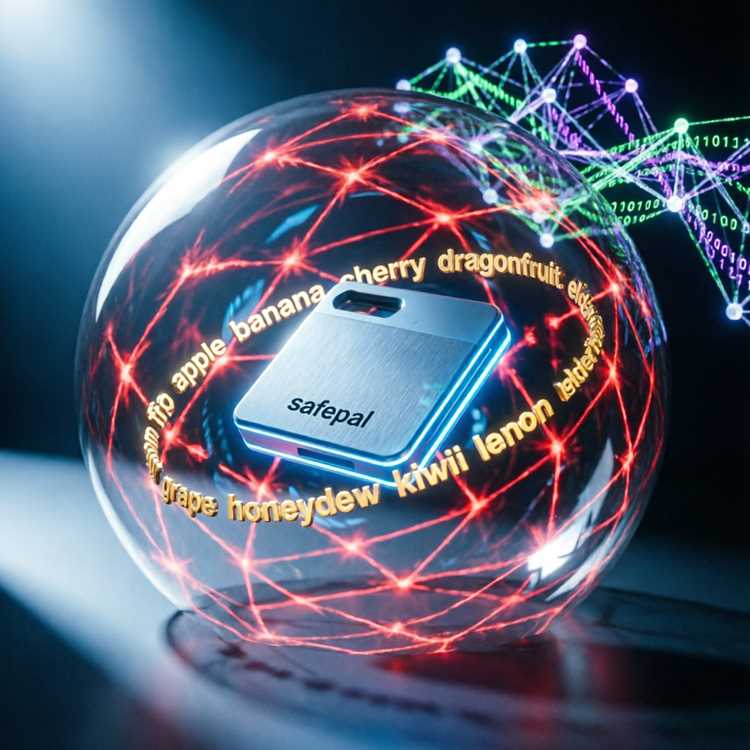
Why Choose a Hardware Wallet Over Software?
Storing digital assets on a phone or computer feels easy. But it comes with real risks. Malware, phishing, and exchange hacks happen often. A hardware wallet keeps your private keys offline. This makes it much harder for attackers to steal. safepal offers a solution that combines cold storage with mobile convenience. Choosing the right tool matters for long term safety.
Security vs. Convenience
Software wallets are quick to use. They connect to the internet all the time. This makes them targets for remote attacks. Hardware wallets sign transactions offline. Only the signed data leaves the device. You get better protection without losing usability.
The Role of Cold Storage
Cold storage means no internet connection for private keys. Even if your computer gets a virus, your funds stay safe. Hardware wallets are a form of cold storage. They are small and portable. SafePal uses this approach with an air gap feature.
Who Needs a Hardware Wallet?
Anyone holding crypto for more than a few days should consider one. People with large amounts need extra security. New users also benefit from the peace of mind. A hardware wallet is a one time investment for ongoing safety.
What Makes SafePal Different?
This SafePal app review: a complete guide to secure crypto wallet explores the unique features of the brand. SafePal is the first hardware wallet Binance invested in. It uses an air gap to transfer data without cables or Bluetooth. This removes a common attack vector. The device scans QR codes to communicate with the app.
Air Gapped Security
Air gapped devices never connect physically to other electronics. SafePal uses a camera to scan encrypted QR codes. No USB, Wi Fi, or Bluetooth needed. This stops malware from reaching the private keys. It is a simple but powerful design.
Multi Platform Support
The SafePal app works on both iOS and Android. You can manage your portfolio from a phone. The hardware wallet scans the app screen. This dual setup gives you access to DeFi and NFTs. SafePal app review shows how smooth the interaction is.
Cost Effective Solution
SafePal S1 is one of the cheapest hardware wallets on the market. The price ranges from $50 to $60. This is much lower than Ledger or Trezor models. It offers similar security features at a lower cost. Beginners find it easy to afford.
How Does SafePal Protect Your Private Keys?
Private keys are the most important part of any wallet. SafePal generates them entirely on the device. They never leave the hardware. The seed phrase is shown only on the screen. You write it down and store it offline.
Seed Phrase Generation
The device uses a random number generator to create 12 or 24 words. This happens offline. No computer or network sees the passphrase. You must keep this phrase safe. Losing it means losing access to your funds.
PIN and Biometric Locks
Each transaction requires a PIN code on the device. The app also supports fingerprint or face lock. This adds another layer of protection. If someone steals your phone, they cannot move funds without the PIN.
Firmware Verification

SafePal checks firmware signatures before each update. This prevents malicious code from being installed. The device will not run unsigned software. Users can verify the authenticity of the hardware. Best cold storage crypto wallet reviews often mention this feature.
Setting Up Your SafePal Wallet: A Step by Step Guide
Getting started takes about 15 minutes. Follow these steps to create a secure wallet. The process is simple and requires no technical skills. safepal wallet setup is designed for beginners.
- Download the SafePal app from the official store.
- Charge the S1 device fully using the included cable.
- Turn on the device and choose your language.
- Select Create a New Wallet on the device.
- Write down the 12 word seed phrase on paper.
- Confirm the seed phrase by selecting the correct words.
- Set a secure PIN code between 4 and 8 digits.
- Open the app and tap Add Wallet.
- Scan the QR code on the device with the app.
- Your wallet is now ready to receive funds.
Unboxing and Initial Setup
The box contains the S1 device, a USB cable, and a manual. A lanyard is also included. Charge the device for 2 hours before first use. The screen is clear and responsive.
Creating a New Wallet
The device guides you through the process. Use the buttons to select options. Never take a photo of the seed phrase. Store it in a safe place like a fireproof safe.
Transferring Funds
Open the app and select Receive. Choose the asset you want to deposit. The app shows a QR code and address. Scan it with the S1 to verify. Then send coins from an exchange to that address.
Exploring the SafePal Mobile App Interface
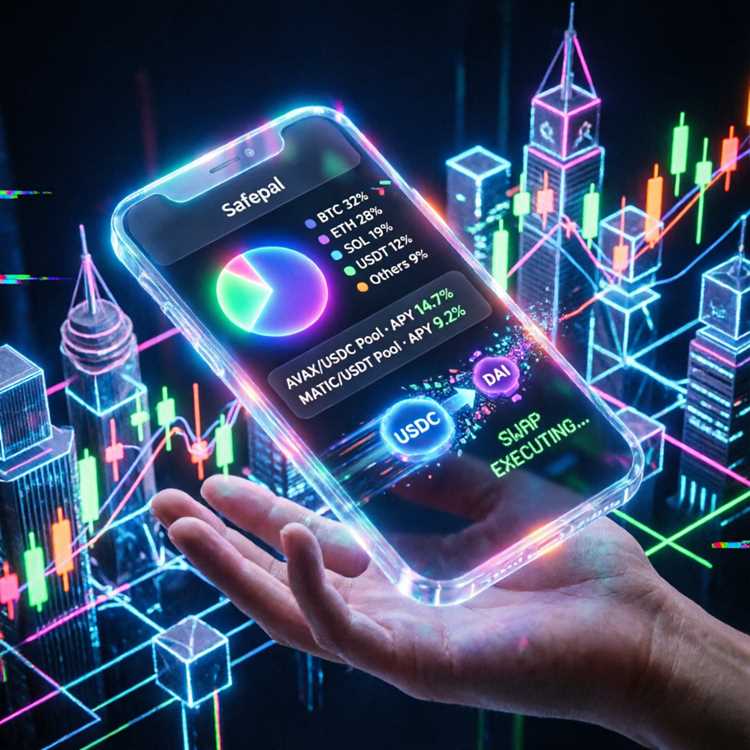
The app is the main way to interact with your crypto. It supports over 100 blockchains. You can view balances, send transactions, and explore dApps. The design is clean and intuitive. This SafePal app review: a complete guide to secure crypto wallet highlights the app layout.
Dashboard Overview
The main screen shows your total portfolio value. Below it, each asset is listed with its balance. A graph displays price changes over time. Tapping a coin shows transaction history and options.
Transaction History
All transactions are listed with dates and amounts. You can filter by asset or type. Each entry shows the status, such as pending or confirmed. This helps track your activity.
DApp Browser Integration
The app includes a built in browser for decentralized apps. You can use Uniswap, PancakeSwap, and others. Transactions are signed by the hardware wallet. This keeps your keys safe while using DeFi.
Supported Assets and Network Compatibility
SafePal supports more than 30 blockchains. This includes Bitcoin, Ethereum, Binance Smart Chain, and Solana. Thousands of tokens are available. The list grows with regular updates.
- Bitcoin, Ethereum, Litecoin, Dogecoin
- BSC, Polygon, Avalanche, Fantom
- ERC 20, BEP 20, SPL tokens
- NFTs on Ethereum and BSC
- Stablecoins like USDT and USDC
Major Cryptocurrencies
Bitcoin and Ethereum are fully supported. You can send and receive them easily. The wallet also supports XRP, TRX, and ADA. All major coins are covered.
ERC 20 and BEP 20 Tokens
Thousands of tokens run on these networks. Adding a token is simple. Search for the contract address in the app. The wallet will detect it automatically.
Future Asset Additions
SafePal adds new chains every few months. Users can vote on which assets to support next. The team listens to community feedback. This keeps the wallet up to date.
SafePal S1 Hardware Wallet: Design and Build
The S1 device is small and lightweight. It weighs only 35 grams. The screen is 1.3 inches with a resolution of 240x240. It fits easily on a keychain. The build quality is solid for its price.
| Feature | Specification | Use Case |
| Dimensions | 54 x 46 x 8 mm | Portable, fits in a pocket |
| Screen | 1.3 inch OLED | Clear display for QR codes |
| Battery | 220 mAh lithium ion | Lasts months on standby |
| Connectivity | QR code scanner | Air gapped data transfer |
| Price | $49.99 to $59.99 | Affordable entry level device |
Physical Design
The body is made of plastic with a matte finish. Two buttons control all operations. The screen is bright and easy to read. A small camera sits on the back for QR scans.
Display and Buttons
The OLED screen shows clear text and graphics. Use the left button to scroll and the right button to confirm. The interface is simple. SafePal S1 customization allows you to change the theme.
Durability and Portability
The device is not waterproof, but it handles drops well. The included silicone case adds protection. It is small enough to attach to keys. You can carry it anywhere.
Comparing SafePal to Other Cold Storage Options
Several hardware wallets exist on the market. SafePal competes directly with Ledger and Trezor. It offers similar security at a lower price. The air gap feature is a unique advantage. SafePal hardware wallet comparison shows the differences clearly.
SafePal vs. Ledger
Ledger uses a USB or Bluetooth connection. SafePal uses QR codes for air gap. Ledger supports more obscure coins. SafePal is cheaper and easier to use for beginners. Both are secure.
SafePal vs. Trezor
Trezor is older and has a larger screen. It connects via USB. SafePal is more portable and modern. Trezor costs more. SafePal offers better value for the average user.
SafePal vs. KeepKey
KeepKey is a larger device with a big screen. It is expensive and less portable. SafePal is smaller and cheaper. KeepKey supports fewer assets. SafePal is the better choice for most people.
Advanced Features and Customization Options
SafePal goes beyond basic storage. It offers staking, swapping, and NFT viewing. The S1 device can be customized with different themes. These features add value to the wallet.
Customizing the SafePal S1
You can change the wallpaper on the device screen. Choose from several preset themes. This makes the wallet feel personal. It is a small but nice touch.
Using the SafePal Card
A crypto debit card is available in some regions. You can spend your crypto directly. The card links to the wallet app. This makes spending easy without moving funds to an exchange.
Staking and DeFi Integrations
Stake supported coins directly from the app. Earn rewards on your holdings. The app also connects to DeFi protocols. All transactions are secured by the hardware wallet.
Common Issues and Troubleshooting Tips
Even simple devices can have problems. SafePal users sometimes face setup or connection issues. Most problems have easy fixes. SafePal S1 error solutions are well documented.
Device Not Connecting
If the app cannot see the device, restart both. Make sure the camera lens is clean. Point the device screen at the app camera. Hold it steady until the QR code scans.
Forgotten PIN
If you forget the PIN, you must reset the device. This requires the seed phrase. Enter the wrong PIN 10 times, and the device resets. Then restore your wallet using the seed phrase.
Firmware Update Failures
Updates require a stable internet connection. Close the app and reopen it. Try the update again. If it fails, contact SafePal support for help.
Frequently Asked Questions
This section answers common questions about the wallet. It is based on user feedback and official documentation.
Is SafePal S1 compatible with Ledger Live?
No, SafePal uses its own app. You cannot use Ledger Live with a SafePal device. The SafePal app is required for all operations.
Can I use SafePal without a phone?
No, the hardware wallet needs the app to function. The app handles network queries and transaction construction. The device signs transactions offline.
Does SafePal support Bitcoin Taproot?
Yes, SafePal added Taproot support in a recent update. You can send and receive Bitcoin using the new address format.
What happens if I lose my SafePal S1?
Your funds are safe if you have the seed phrase. Buy a new device and restore the wallet. Use the 12 word phrase to recover all assets.
Is SafePal open source?
Parts of the app are open source. The firmware is not fully open source. The team has published security audits from third parties.